the West
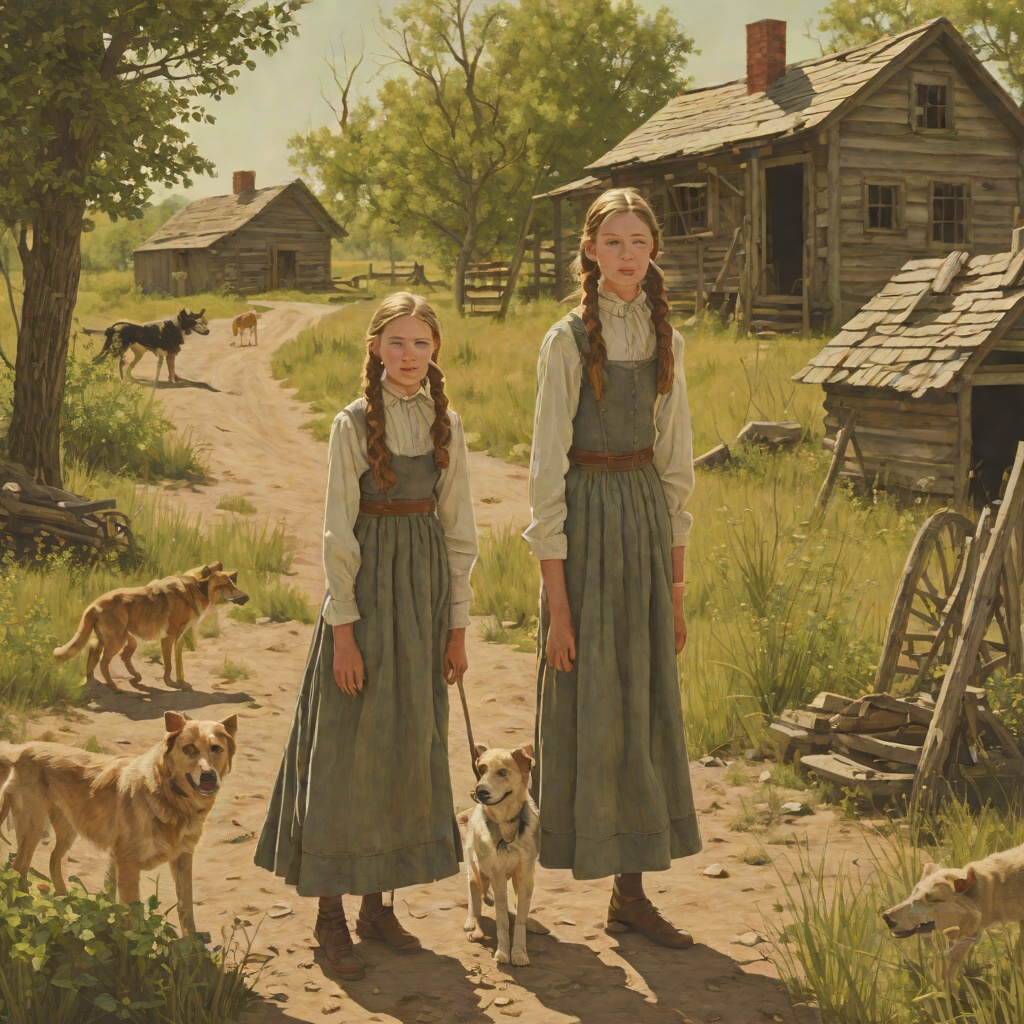
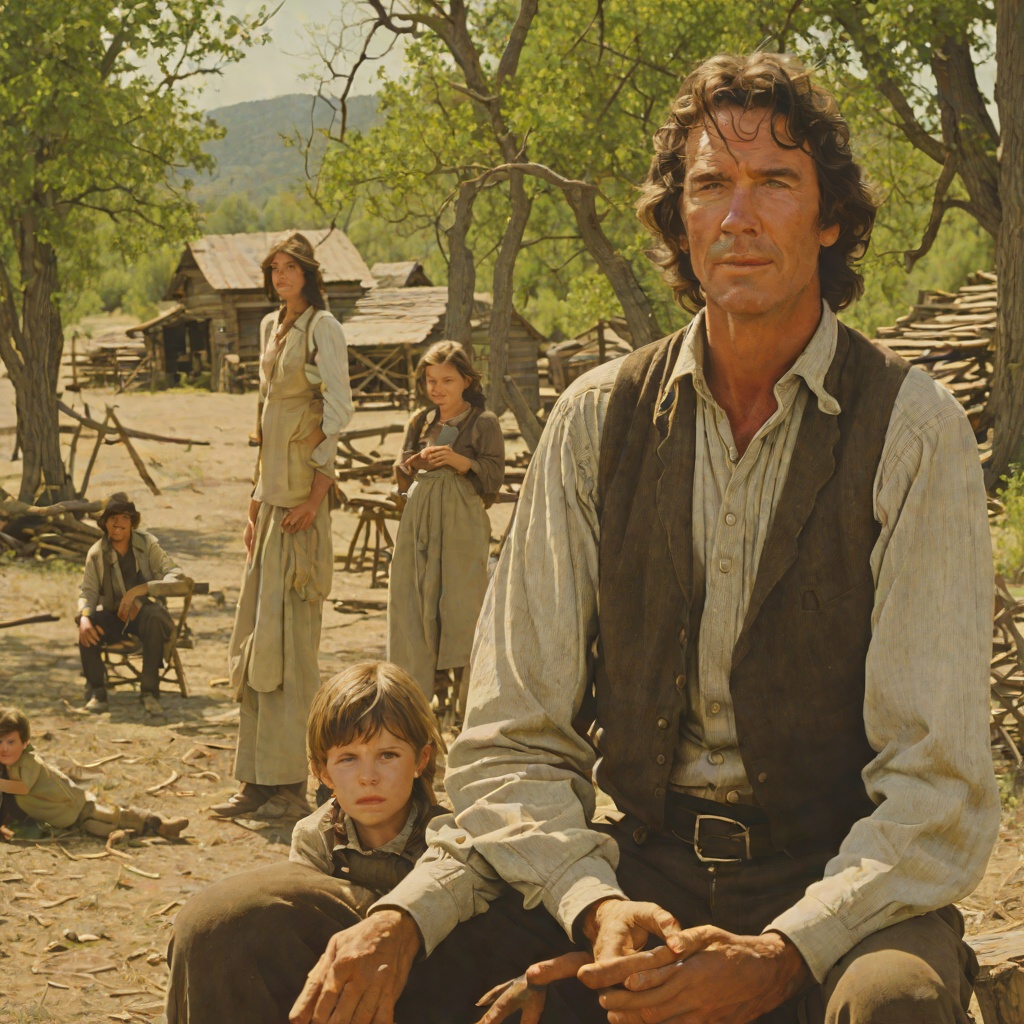
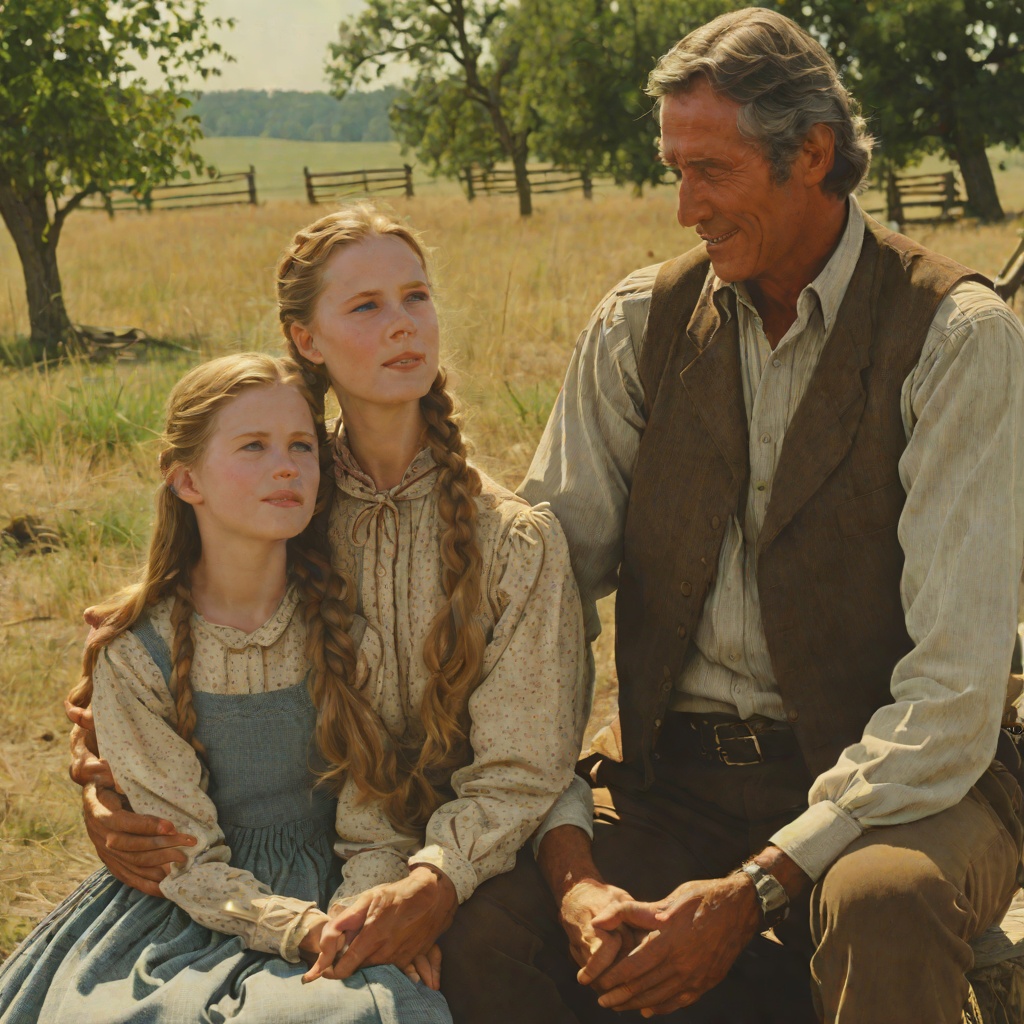
Little House on the PrairieThe West is the immense, sparsely settled frontier country that draws the Ingalls family away from their little house in Wisconsin and into Indian Territory. It is less a fixed place than a promise: a land where the grass grows thick and high, where animals run freely, and where, as Pa tells Ma on long winter evenings, there are no settlers and only Indians live. This vision of open, unclaimed space is the family's destination and the engine of their entire journey, yet the West they actually find is far more complex — beautiful, dangerous, inhabited, and ultimately forbidden to them. The West is the stage on which the family builds its little house, faces wolves and prairie fires, meets the Osage Indians, and finally learns that even this vast country has boundaries drawn by the U.S. government.
A Land of Promise and Escape
The West enters the story as an idea before it is ever a place. Pa tells Ma that Wisconsin has become too crowded, that wild animals do not stay in a country with so many people, and that he prefers a land where animals live without fear, where he can see them looking at him in the forest and eating fruit from the trees. In the long winter evenings he talks to Ma about the Western country, describing flat land, thick high grass, freely running animals, and an absence of settlers — only Indians. This is the West as Pa imagines it: a refuge from the pressures of settlement and a return to a more natural, freer way of life. Ma's hesitation — 'Oh, Charles, must we go now? The weather's so cold and our warm house is so comfortable' — shows that the West is also a risk, a leaving behind of comfort for an uncertain future. But Pa's urgency is practical as well as visionary: they must go now, he insists, because they cannot cross the Mississippi River after the ice breaks.
The Vast and Frightening Prairie
Once the family crosses into Kansas, the West reveals its true scale. The land is endless and flat, covered with tall grass, and day after day they see nothing but grass and a big sky. There is nothing new to do and nothing new to look at, and Laura, tired of sitting in the wagon, asks if she and Mary can get out and run behind. Ma's single word — 'Laura' — is enough to silence her, establishing the discipline that governs the family's life on the trail. The West here is monotonous and overwhelming, a landscape that dwarfs the travelers.
A Home in the Wild
The family's relationship with the West changes when they build their little house on the High Prairie. Inside the thick walls of their new home they feel warm and safe, and Pa puts up a quilt over the door hole. As Laura falls asleep that first night, she hears a wolf's cry from somewhere far away on the prairie, but she does not feel so frightened. The house becomes a haven against the wildness outside, a small pocket of domestic order in the vast landscape. Pa promises that before winter he will make a wood floor and a solid roof, and he declares to Ma, 'We're going to do well here, Caroline. We'll be happy here for the rest of our lives.' This is the West as the family hopes it will be: a permanent home, a place to put down roots.
The West as a Place of Conflict
The West is also a place of human conflict, and the family's presence there is not as simple as Pa's vision suggests. When Pa tells the girls about the Indians they have seen, he explains that when white settlers arrive in a place, the Indians have to move away from there. Laura asks why, and Pa answers: 'The government makes them. Laura. That's why we're here. Lots of white people are going to come and live here. We came first to choose the best land.' This is the West as a contested territory, a land that the family claims by arriving first, even though it is already inhabited by the Osage Indians. The West is not empty after all; it is a place where the U.S. government's policies of Indian removal and white settlement collide.
Leaving the West Behind
The family's time in the West ends as it began, with a departure. Pa climbs to his place beside Ma and takes the reins, Jack goes under the wagon, and Pet and Patty walk away from the little house on the prairie. As far as they can see, to the east and to the south and to the west, nothing is moving; only the green grass is waving in the wind. Pa says to Ma, 'It's a great country, Caroline. But there will be wild Indians and wolves here for many years.' The West remains great in Pa's eyes, but it is no longer theirs. The family leaves because the U.S. government has ordered white settlers out of Indian Territory, a reversal of the very policy that brought them there.